What Can Raise Fall Risk at Home—and What Should You Tell Your Primary Care Provider?
Learn which personal, medication-related, and household observations may be useful when discussing falls, near-falls, or unsteadiness with a primary care provider. Do not change medicines independently.
Fall risk at home can be influenced by balance or vision problems, leg weakness, slower reflexes, certain health conditions, medication-related dizziness or confusion, and household tripping hazards. If you notice any of these concerns, write down what happened and discuss it with a qualified healthcare professional. Do not stop or change a medicine on your own.
A fall does not automatically reveal its cause. The most useful first step is to collect clear observations: where the event happened, what you were doing, what you felt beforehand, which medicines you take, and whether anything in the environment contributed. That information can help you have a more focused primary care conversation.
Why fall risk at home deserves attention at every age
Falls can be dangerous at any age. Older adults have a higher risk of falling and are more likely to experience a fracture when they fall, according to MedlinePlus information about falls. This makes fall concerns worth discussing even when a previous event did not cause an obvious injury.
It is also helpful to distinguish between a fall, a near-fall, and a feeling of unsteadiness. A near-fall may involve grabbing furniture, a wall, or another person to avoid reaching the floor. Unsteadiness may feel like swaying, losing confidence on uneven ground, or having trouble rising from a chair. These observations do not identify a medical cause, but they provide useful details to bring to an appointment.
Families and caregivers can help by noticing patterns without assigning blame. A fall may involve personal factors, medication effects, environmental hazards, or more than one issue at the same time. Avoid assuming that someone was simply careless or that age alone explains the event.
Details worth recording after a fall or near-fall
Date and approximate time: Note when the event occurred.
Location: Record the room, stairway, entrance, walkway, or other area.
Activity: Describe whether the person was standing up, turning, walking, reaching, bathing, or using stairs.
Symptoms: Write down any dizziness, confusion, slowed feeling, balance difficulty, or vision concern noticed before or around the event.
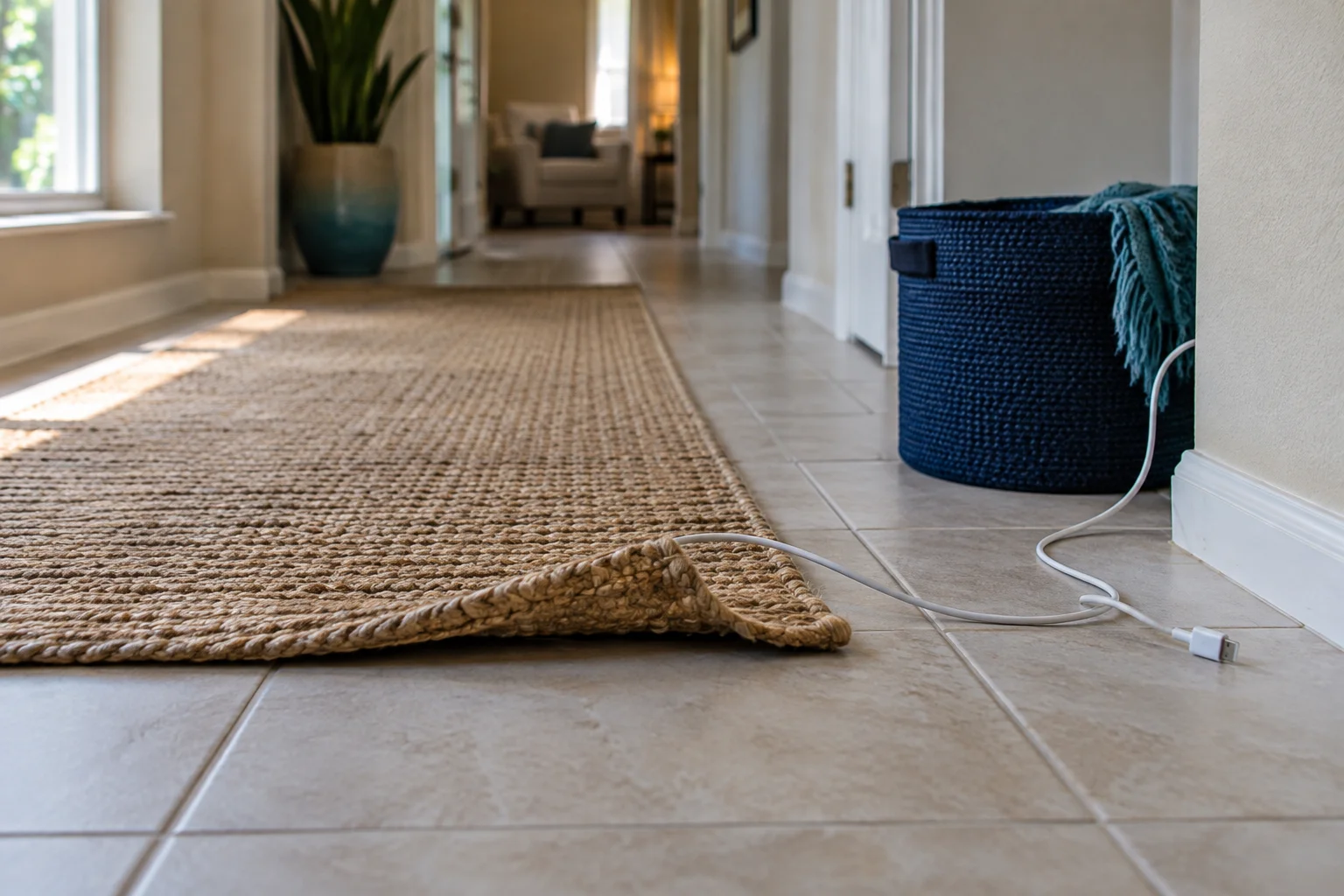
Environment: Note objects underfoot, clutter, loose items, or the absence of a usable rail near stairs or the bath.
Pattern: Record whether similar episodes have happened before and whether they tend to occur in the same place or during the same activity.
Medication timing: Note when regular medicines were taken, but do not alter the schedule unless a qualified healthcare professional directs you to do so.
Personal factors to mention at a primary care visit
Balance and vision problems are among the possible contributors to falls identified by MedlinePlus. If you feel unsteady, have difficulty seeing obstacles, or find that certain settings are harder to navigate, describe the problem as specifically as possible. Rather than saying only, "My balance is bad," explain when it happens and what you are doing at the time.
Leg muscle weakness may make it more difficult to rise from a chair or maintain balance while walking on uneven ground. Slower reflexes may also make it harder to keep balance or move away from a hazard. These are possible contributors, not proof of why a particular fall occurred. A healthcare professional needs the broader context before drawing conclusions.
MedlinePlus also lists low blood pressure, diabetes, and neuropathy as examples of illnesses that may contribute to falls. The presence of one of these conditions does not establish that it caused an individual event. Tell your healthcare professional about known health conditions, recent changes you have noticed, and the circumstances surrounding each fall or near-fall.
Possible fall-risk observations to discuss
Area
What you might observe
Useful details to record
Balance
Feeling unsteady or needing to hold nearby objects
When it occurs, the surface involved, and whether turning or changing position is difficult
Vision
Difficulty noticing obstacles or navigating a particular setting
Where and when the difficulty appears and whether it is new or changing
Leg strength
Difficulty standing from a chair or staying balanced on uneven ground
The activity involved and whether assistance or support was needed
Reflexes
Difficulty recovering balance or moving away from a hazard
What happened immediately before the loss of balance
Health conditions
A known condition that may be relevant to the conversation
The condition, recent changes, and any associated symptoms you noticed
Medicines
Dizziness, confusion, or a slowed feeling
The symptom, when it occurred, and its timing in relation to medication use
This table is a conversation aid, not a diagnostic checklist. A single observation may have several possible explanations, and some falls involve multiple contributors.
Describe function, not just labels
Concrete examples can be easier to discuss than broad descriptions. You might note that standing from a particular chair has become harder, that you often reach for a counter while turning, or that uneven ground feels less manageable than it once did. If a family member witnessed an event, that person can write down what they saw while the details are fresh.
Do not test your limits in order to create a better description. You do not need to repeat an activity that felt unsafe. Record what occurred naturally and bring those notes to the appointment.
Why medicine-related symptoms should be discussed
Some medicines may contribute to fall risk by making a person feel dizzy, confused, or slowed, according to MedlinePlus guidance on falls. If you experience one of these effects, report it rather than deciding independently that a medicine is responsible.
Do not stop, skip, reduce, increase, or otherwise change a medicine without guidance from a qualified healthcare professional. A symptom that occurs after taking a medicine may be important, but timing alone does not prove cause and effect. Your healthcare professional can consider the symptom alongside your medication list, health history, and the circumstances of the event.
Prepare a complete medication list
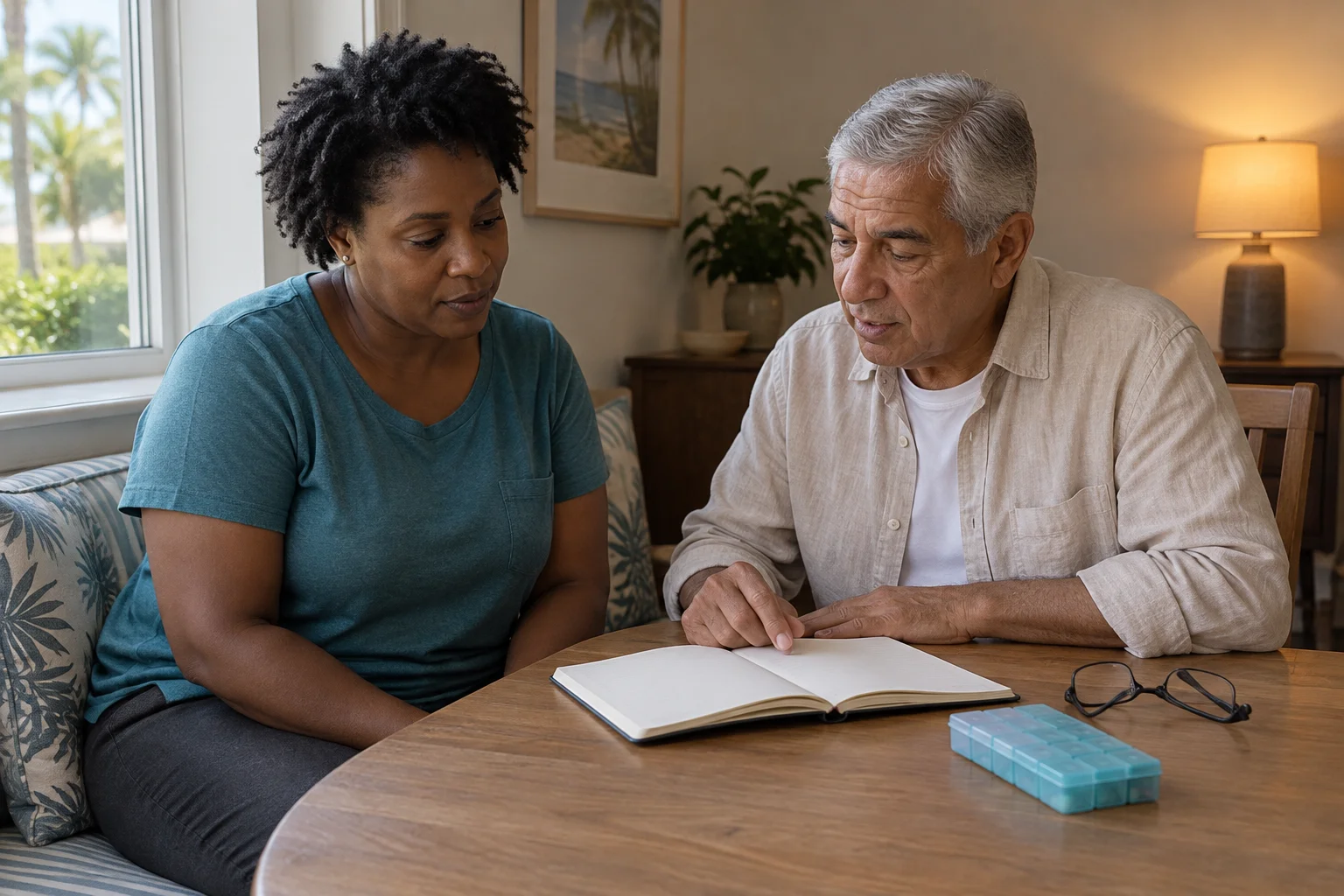
Before the visit, make a list of everything you currently take. The purpose is to give the healthcare professional an accurate picture, not to decide which item should be changed. Include the names shown on labels and note any dizziness, confusion, or slowed feeling you have experienced.
If a family member helps organize medicines, that person may be able to help prepare the list. Bring your notes about symptom timing as well. For example, record whether the feeling occurred while standing, walking, turning, or getting out of a chair and whether it has happened more than once.
A useful way to raise the concern: "I have noticed dizziness, confusion, or a slowed feeling around these times. Could any of my medicines be relevant, and what information would help you evaluate this?"
This wording reports the observation without assuming that a particular medicine is the cause. It also invites the healthcare professional to explain what additional details may be useful.
Household observations that may matter
The home environment is another part of the fall-risk conversation. MedlinePlus recommends getting rid of tripping hazards and making sure there are rails on stairs and in the bath. These measures address visible household concerns, but they do not rule out balance, vision, strength, reflex, health, or medication-related contributors.
Walk through frequently used areas and look at what is actually underfoot or within reach. Pay special attention to routes between the bedroom and bathroom, commonly used stairs, bathing areas, entrances, and spaces where a person regularly changes direction. The goal is to identify observable concerns rather than to prove why a fall happened.
A room-by-room observation checklist
Trace regular walking routes. Look for objects or materials that could become tripping hazards.
Review stairs. Check whether a usable rail is present and note any concern you want to discuss.
Review the bath area. Note whether there is a rail and whether the person can reach it during normal use.
Revisit the site of a fall or near-fall. Record what was underfoot, what the person was trying to do, and what support was available.
Ask about difficult transitions. Find out whether standing from a chair, turning, or moving across uneven ground has become harder.
Write down repeated patterns. Note whether problems cluster in one location, during one activity, or around the same time of day.
Bring the notes to the appointment. Let a qualified healthcare professional consider household observations together with symptoms, conditions, and medicines.
A caregiver can help with this review, particularly if the person who fell does not remember every detail. Keep the conversation respectful and practical. Focus on what can be observed and reported rather than arguing about fault.
Eye examinations and physical activity in the broader conversation
Regular eye examinations are presented by MedlinePlus as a general fall-prevention consideration. If vision has changed or obstacles are becoming harder to see, mention that concern and ask what next step is appropriate for your circumstances.
MedlinePlus also states that regular exercise may lower fall risk by strengthening muscles, improving balance, and keeping bones strong. This is general educational information, not an individualized exercise plan. The appropriate activities may differ from person to person, especially when someone has fallen, feels unsteady, has health conditions, or experiences symptoms with movement.
Ask a qualified healthcare professional what level and type of activity are appropriate before acting on general information. Do not attempt a balance challenge, strength test, or unfamiliar activity simply to see whether you can do it.
How to prepare for a primary care conversation
A focused appointment does not require you to identify the cause beforehand. Your role is to provide accurate observations and ask clear questions. Information about primary care at Faithful Care Medical Services may help you prepare for a general inquiry, but individual concerns still need a healthcare professional's attention.
Appointment preparation checklist
List each fall, near-fall, or episode of unsteadiness you remember.
Record where and when each event happened.
Describe what you were doing immediately beforehand.
Note balance or vision concerns, difficulty rising from a chair, or problems on uneven ground.
Write down dizziness, confusion, or slowed feelings and when they occurred.
Prepare an accurate list of current medicines.
List relevant known health conditions without assuming that one caused the fall.
Describe household tripping hazards and whether rails are present on stairs and in the bath.
Ask a witness or caregiver to add factual details if appropriate.
Bring your questions in writing so important concerns are not forgotten.
Questions you can bring
What details should I track if this happens again?
Could my balance or vision concern be relevant to my fall risk?
Could any of my medicines contribute to dizziness, confusion, or a slowed feeling?
How should I report the timing of symptoms in relation to my medicines?
Could difficulty standing from a chair or walking on uneven ground be important?
Which household tripping hazards should receive attention first?
Should I raise questions about rails on stairs or in the bath?
What should I ask about eye examinations in my situation?
What should I ask before considering physical activity intended to support strength or balance?
When and how should I follow up about another fall or near-fall?
If your conversation leads to tests or screening, it can be useful to ask how results will be communicated and what follow-up may involve. This overview of questions about screening results and follow-up can help you organize that discussion.
Common questions about fall risk at home
Does one fall mean I have a specific illness?
No single fall establishes a particular cause. Balance, vision, muscle weakness, reflexes, health conditions, medicines, and household hazards are possible contributors described by MedlinePlus, but an individual event requires professional assessment in context. Record the circumstances and discuss them with a qualified healthcare professional.
Should I stop a medicine if it makes me feel dizzy or confused?
Do not stop or change a medicine independently. Record the symptom, its timing, and what you were doing, then contact a qualified healthcare professional for guidance. A symptom may deserve attention without proving that a particular medicine caused it.
Is removing tripping hazards enough to prevent every fall?
No single household step can account for every possible contributor. Removing tripping hazards and ensuring rails are present on stairs and in the bath are home safety considerations identified by MedlinePlus, but personal factors may also matter. Bring both household and symptom observations to your healthcare conversation.
Take the next practical step
Start with a written record of falls, near-falls, symptoms, medicines, and household observations. Bring that record to a qualified healthcare professional rather than trying to diagnose the cause or change medicines yourself.
If you are in the Naples area and want to ask whether an appointment may be appropriate, use the Faithful Care Medical Services contact page to make an inquiry. If there has been an injury or another urgent concern, seek timely help through an appropriate healthcare resource rather than waiting for a routine appointment.
fall preventionhome safetyprimary caremedication safety
After a health screening, clarify when and where results will arrive, who will explain them, and whether a follow-up conversation is needed. Learn practical questions to ask and how to prepare for discussing results with a health care provider.
Healthy aging priorities vary by health, abilities, medicines, preferences, and daily circumstances. Explore conversation topics for your next appointment, including nutrition, hydration, activity, mental wellbeing, preventive care, medicine awareness, and fall prevention.
A practical guide to listing caregiving tasks, assigning primary and backup roles, coordinating appointments, communicating clearly, and reviewing the plan before one person becomes overwhelmed.